
Competence Builds Confidence
How Building Skills Through Play Builds A Foundation For Lifelong Learning
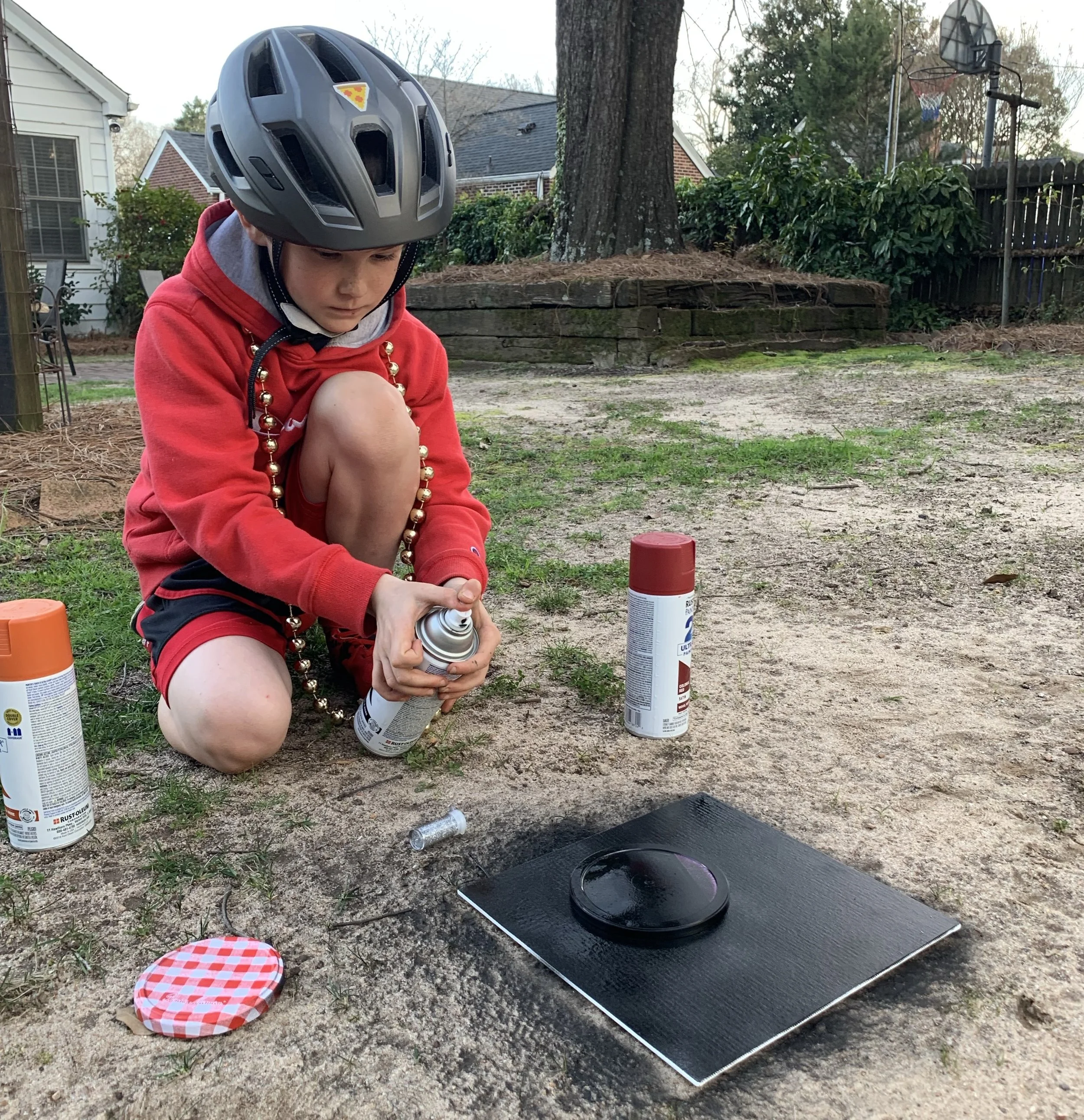
Yesterday morning, our eleven-year-old decided he wanted to paint his bike helmet. I thought it was a bad idea.
It was a nice, motorcycle-style helmet in great condition minus a few barely noticeable (to my eyes) scuff marks. But he wasn’t crazy about the off-brand logo and wanted it to look newer.
My mind went back to the countless toys he’s spray painted (and ruined) over the years, so I went out to give him the lecture on how, if he messes it up, we’re not buying a new one and he’s going to have to live with it. And if he insisted, I wanted to at least give him some pointers so he didn’t totally destroy it.
When I found him on the porch, he was meticulously masking off the areas he didn’t want painted. He told me his plan and asked me to take him to get paint. On the way to the store I asked him if he was planning to prime it.
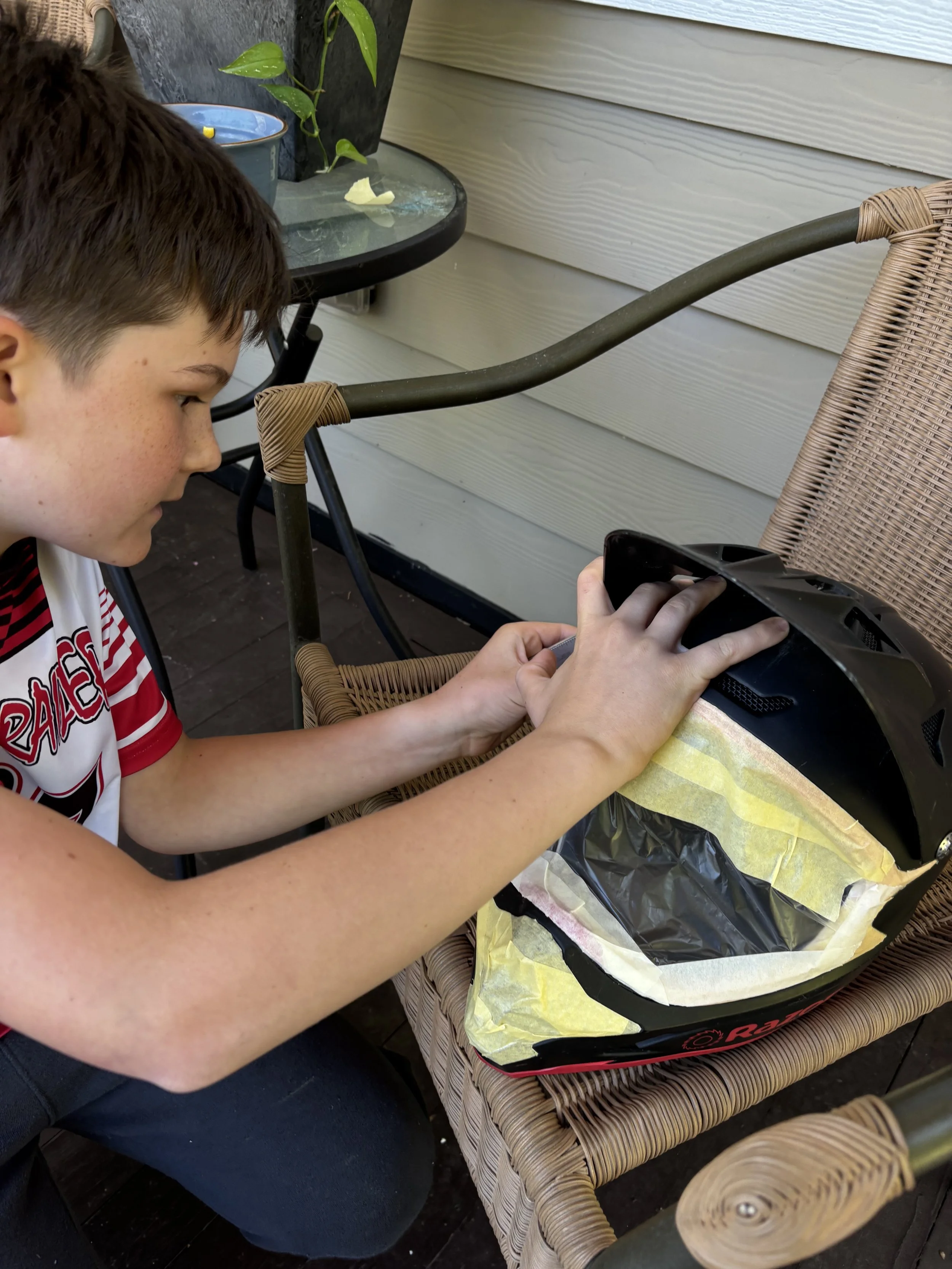
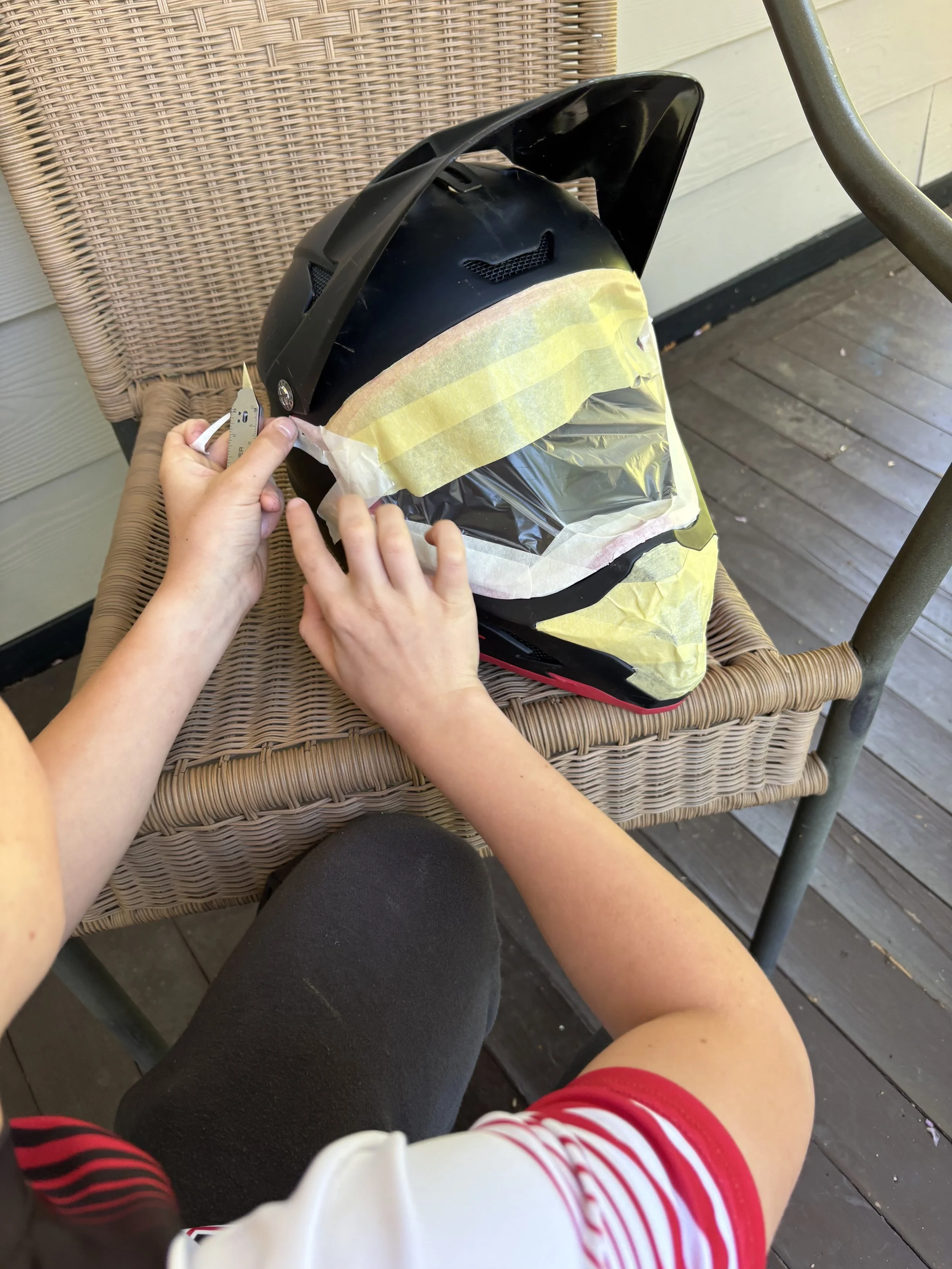
“Of course. I’d rather spend an extra 15 minutes to prime it and get it right than have it not look good.”
Hmm. That didn’t sound like the kid who normally rushes into things. Maybe he’s learned a thing or two.
At the store he knew exactly the paint he wanted– black with shiny flecks. He did a test spray and I gave him one more lesson on how vigorously and how long you need to shake the can before spraying and he actually listened to me and took it to heart.
When we got home he showed me his setup in the yard with the helmet propped up on a batting tee so he could spray it from all angles. He had already primed it and it was looking really good.
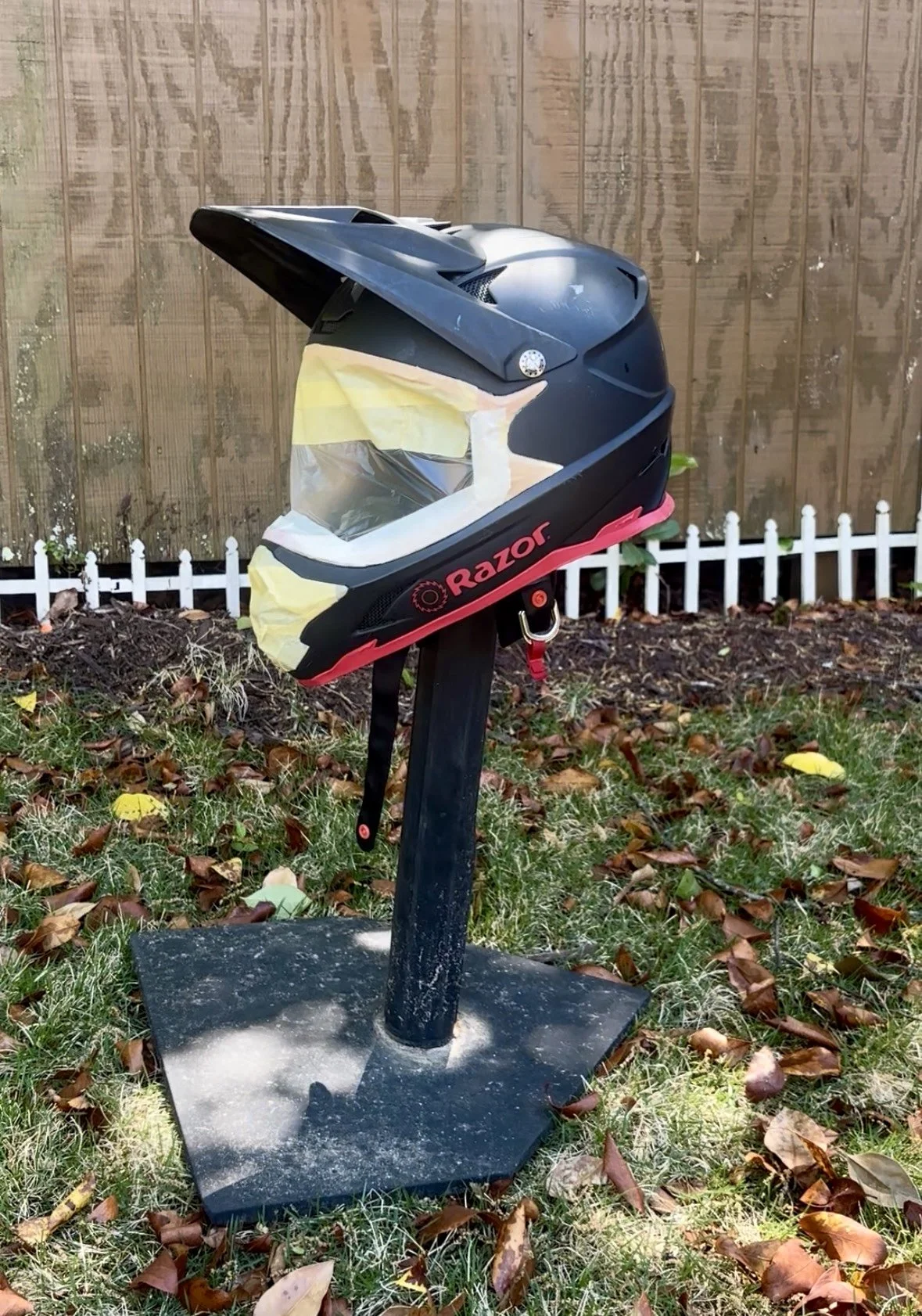
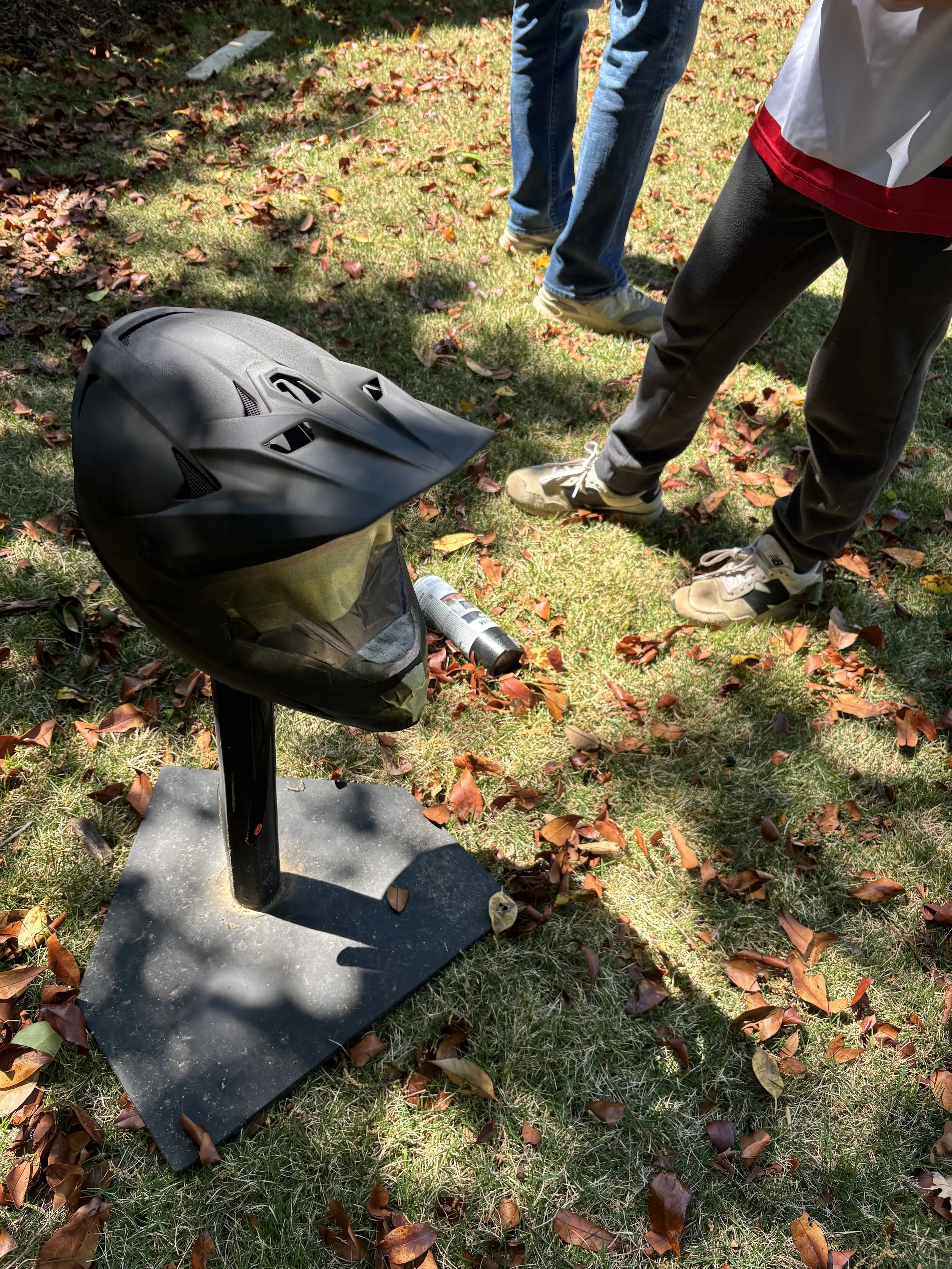
Then I watched as he skillfully applied the shiny black paint with fast but smooth overlapping strokes. He kept a consistent distance from the helmet. He hit it from different angles to cover all the nooks and crannies. He started light and slowly built it up to a seamless, even finish.
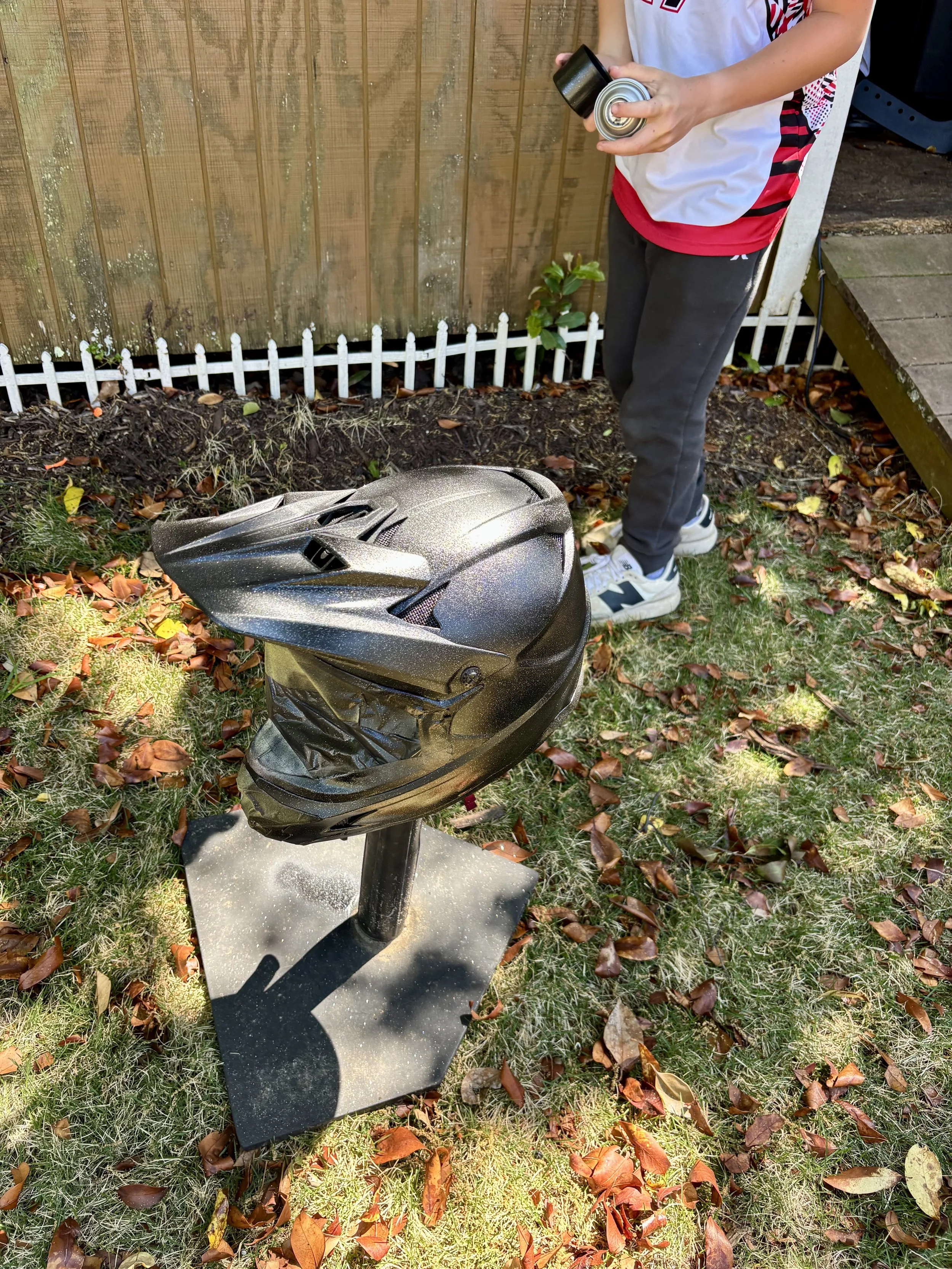
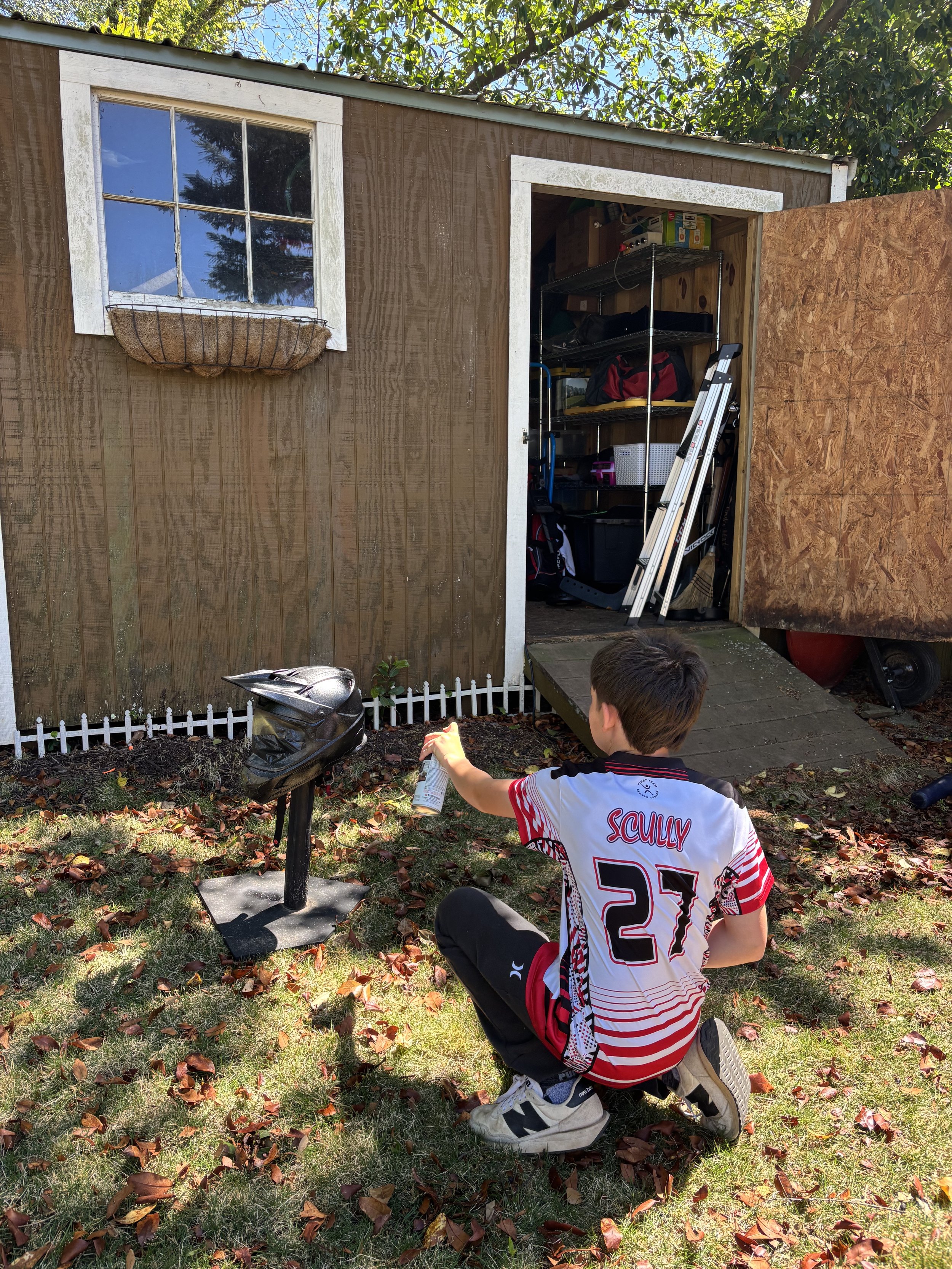
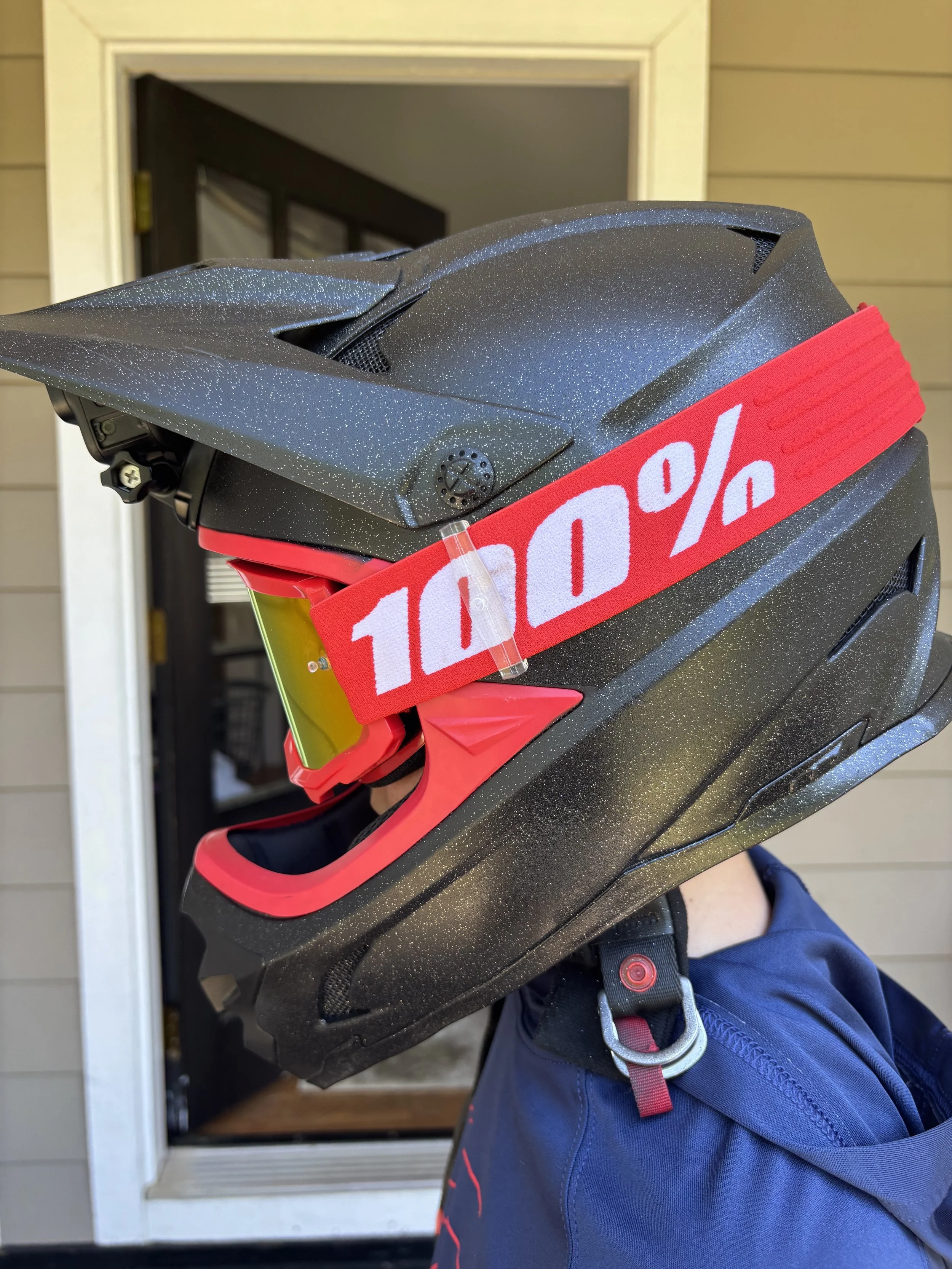
When he peeled off the masking it looked amazing! A professional one-of-a-kind paint job that looked like it came from the factory.
He was thrilled with the results and proud of what he had done. And so was I.

The point is not that he’s (likely) going to be a professional painter or that spray painting is an essential skill. Although it is a great skill he can use for the rest of his life.
The true value is in the process and in the person he’s becoming by building these skills.
Since he was six years old, he has loved spray painting things. It’s been his form of artistic expression. He even built a little spray painting area in the backyard where he’s painted everything from sticks to plywood to old toys, baseball bats and even his old shoes.
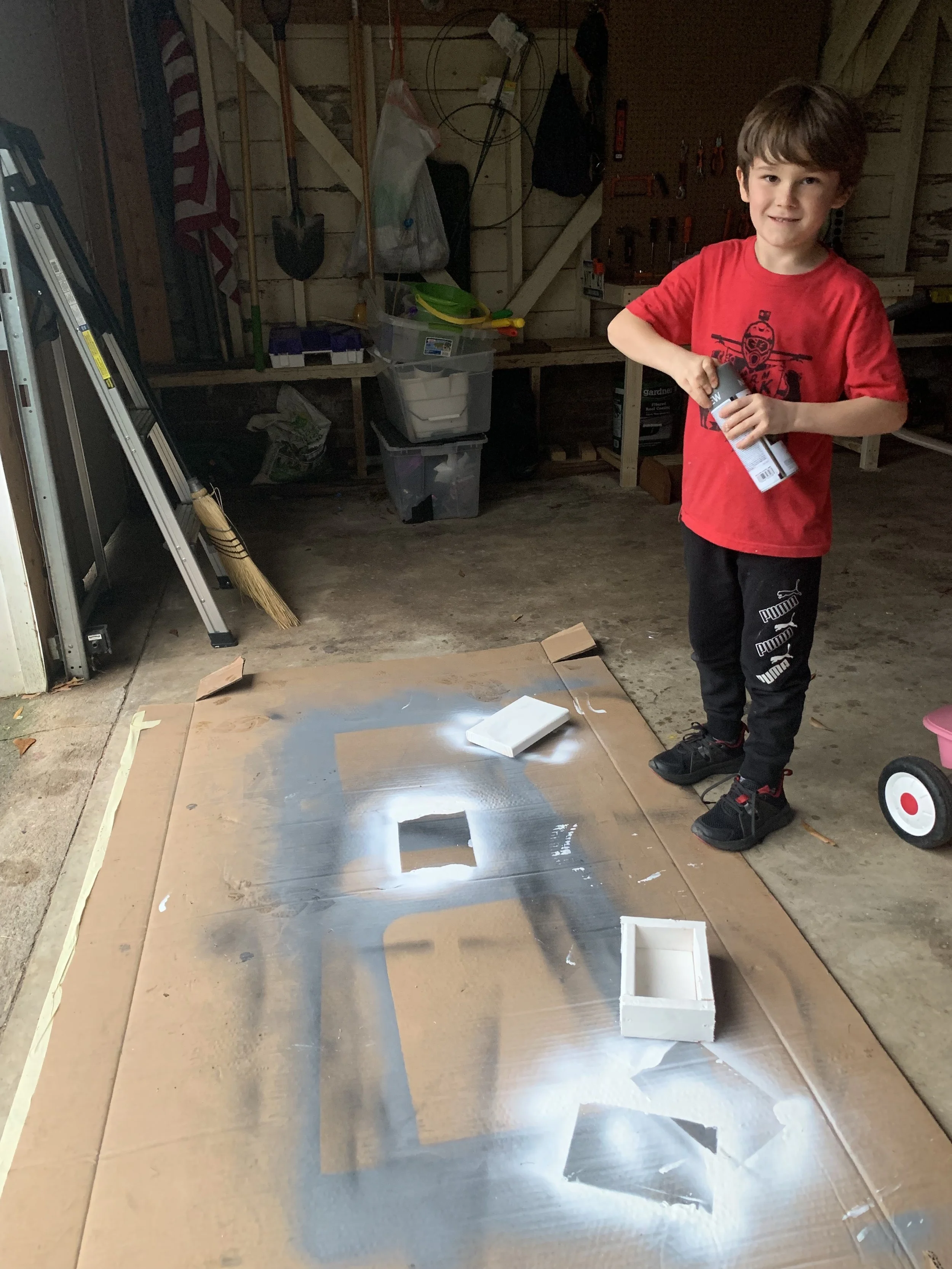
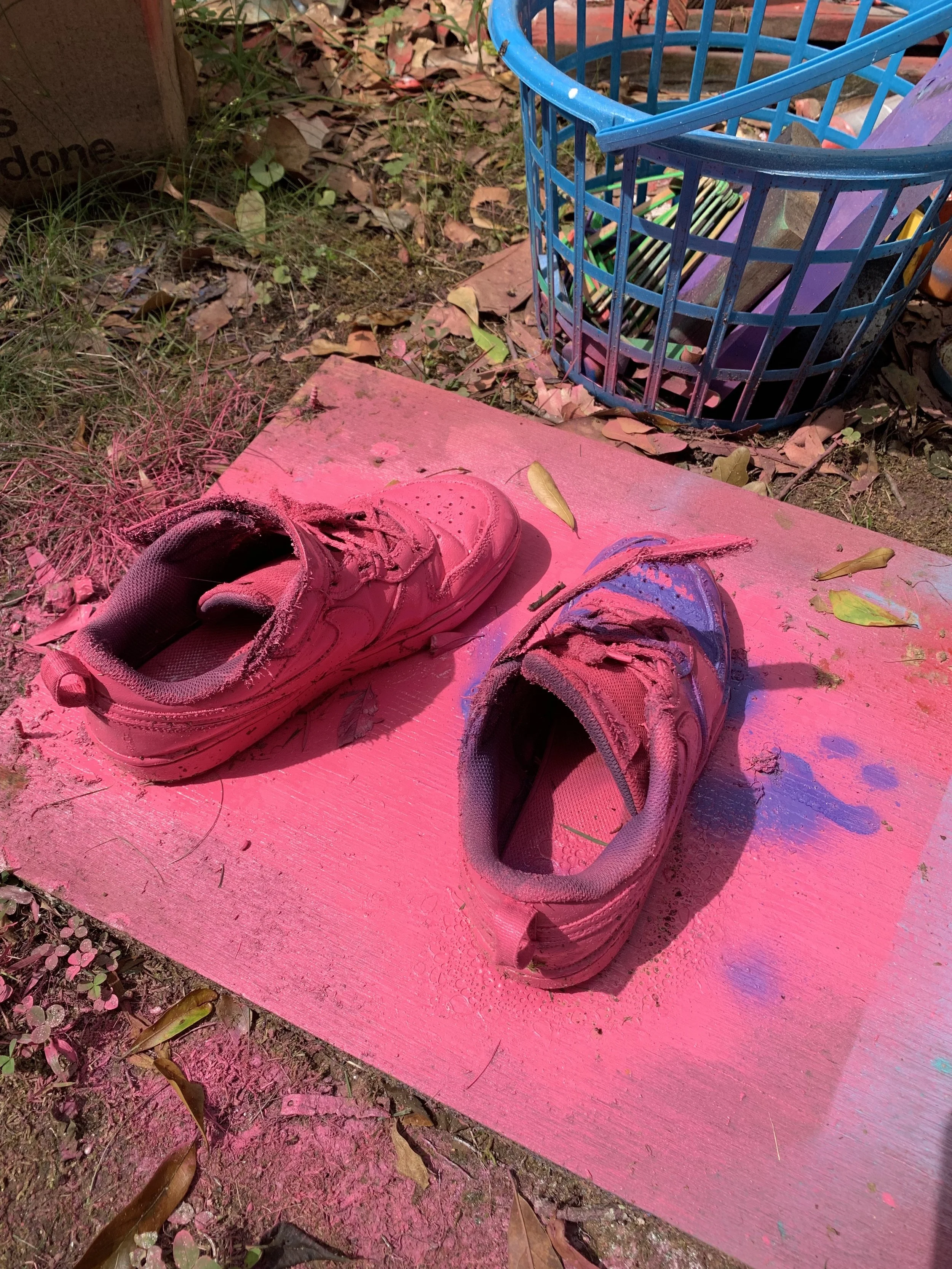
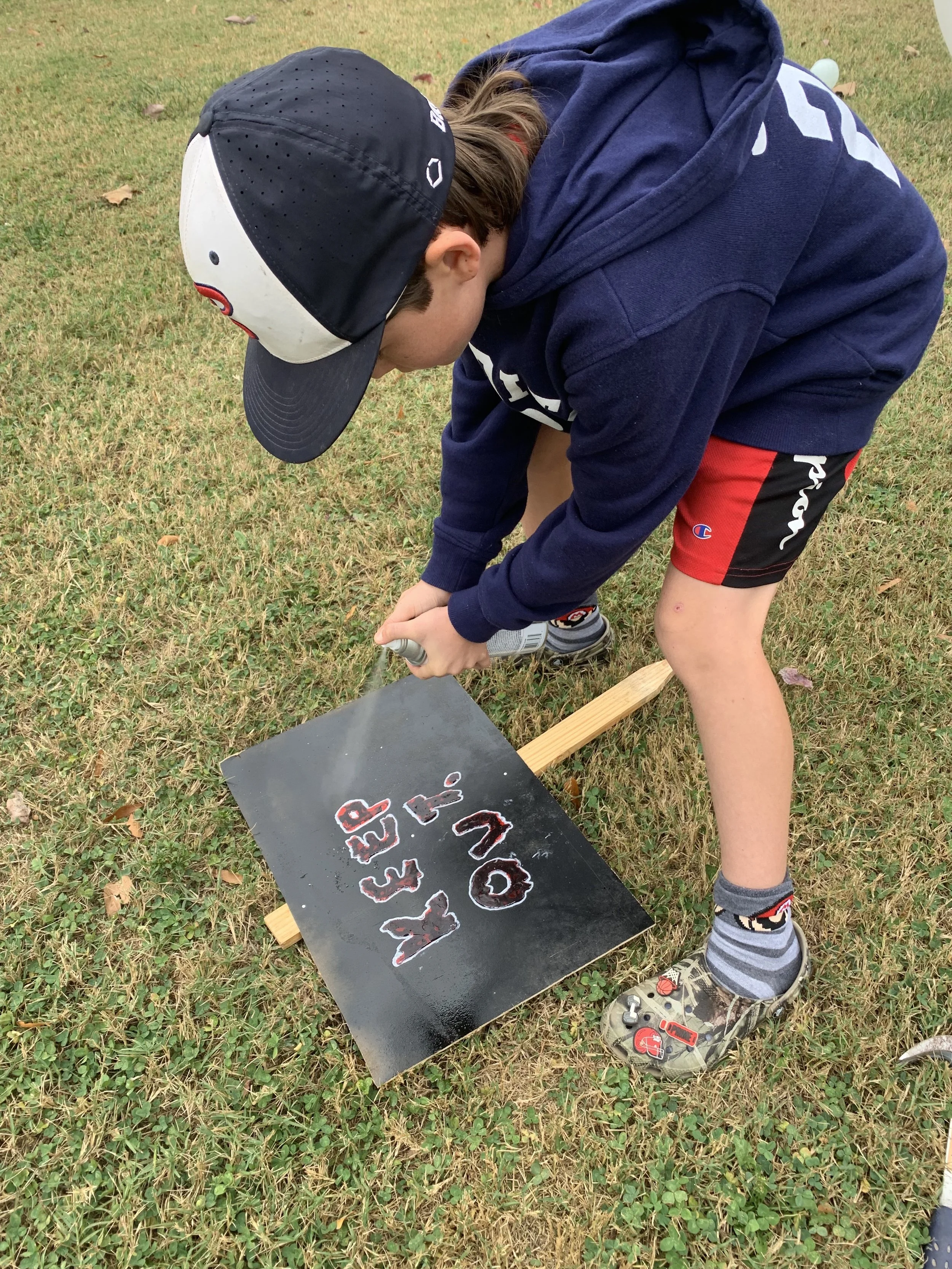
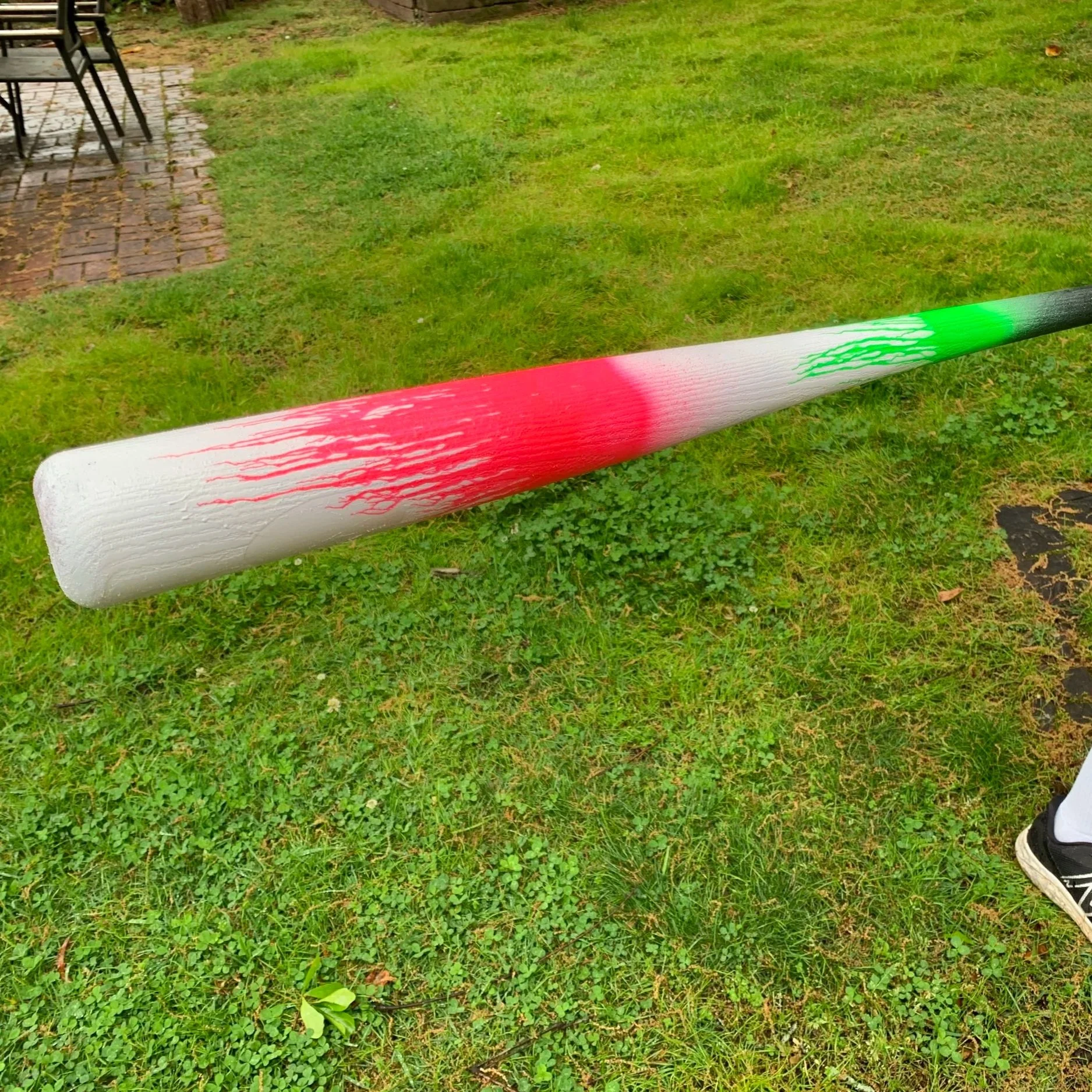
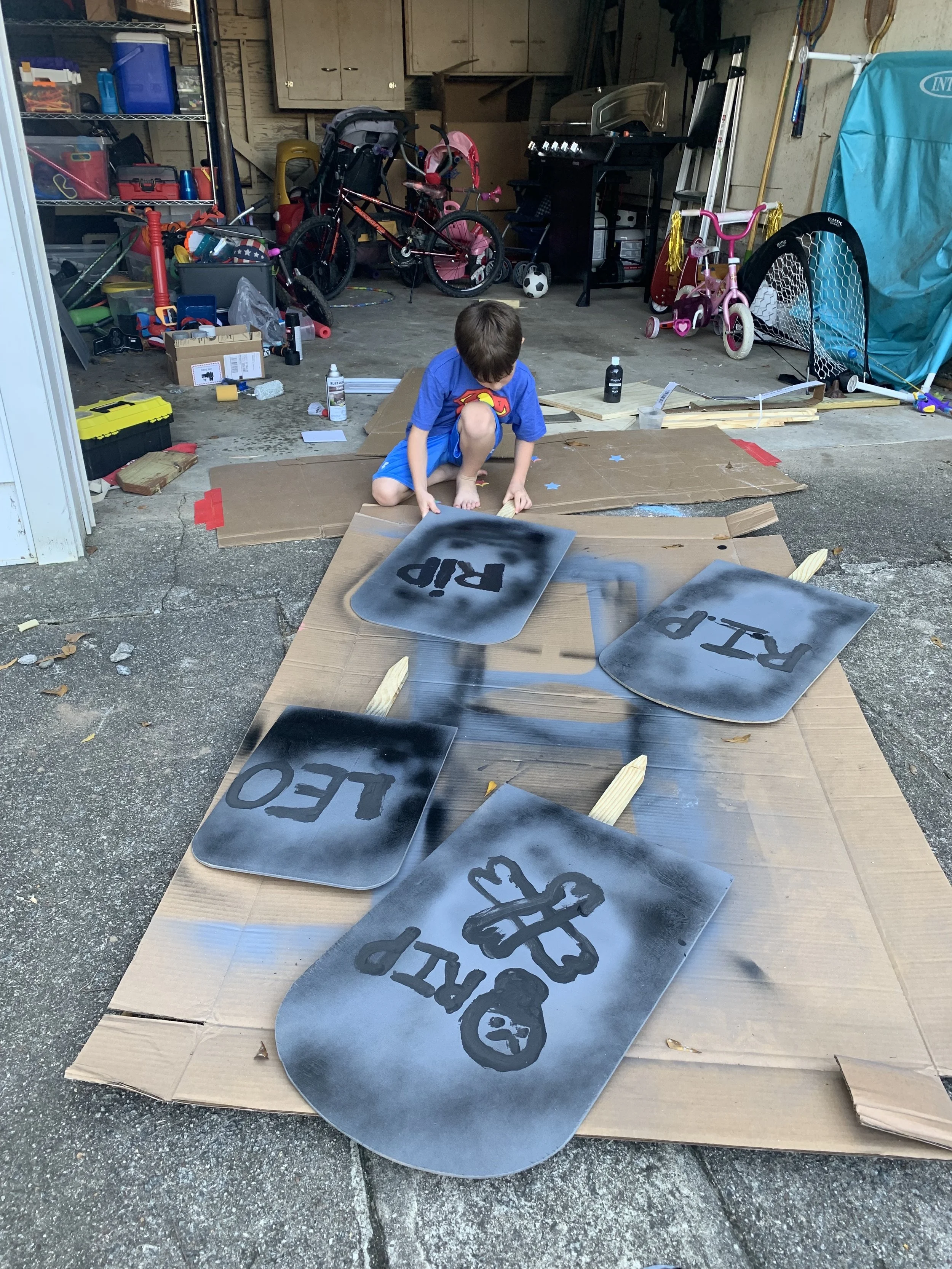
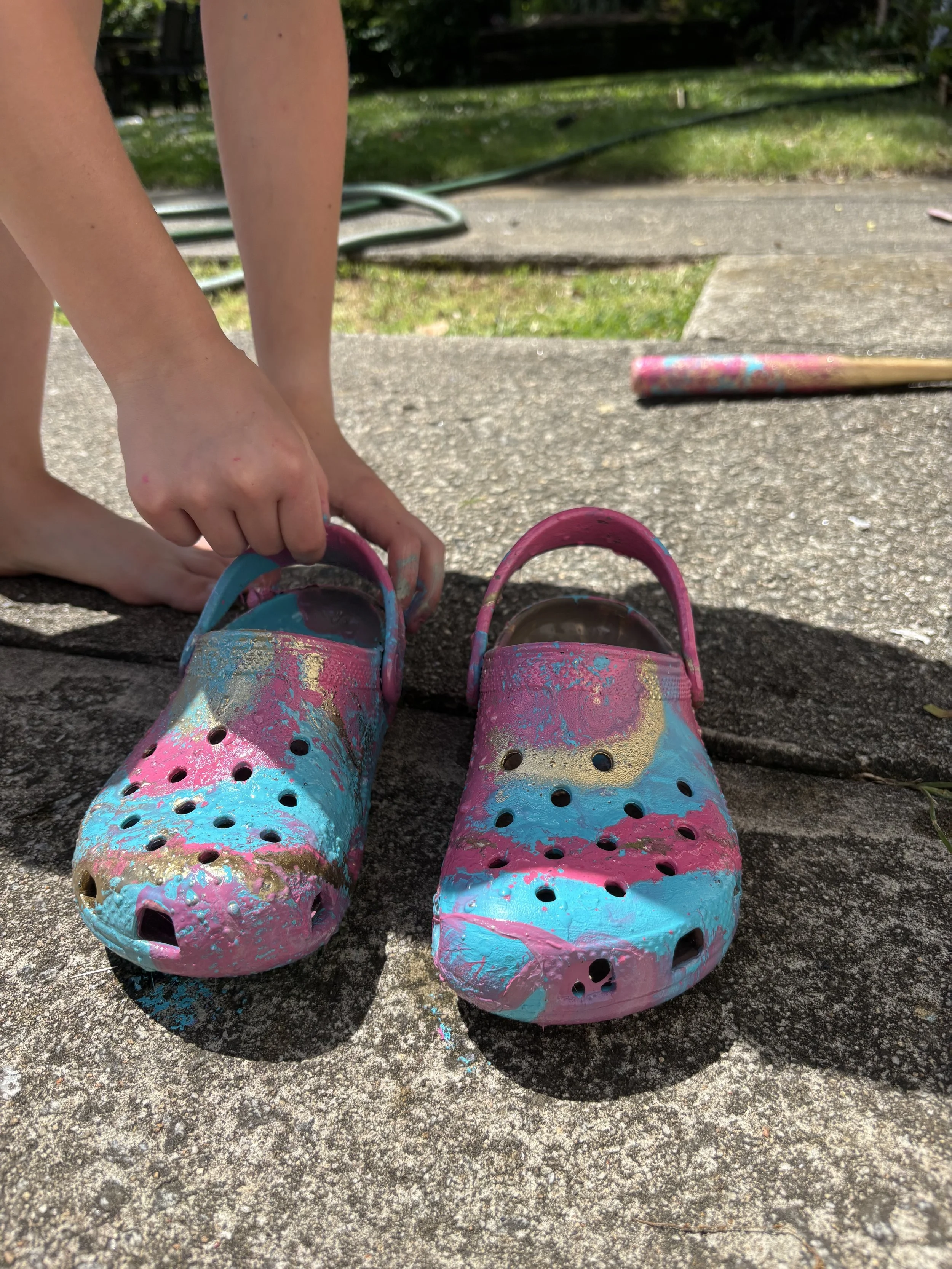
To him it’s pure fun. He’s playing. But he’s also experimenting and learning. Sometimes we work on projects together. I give him tips and pointers and he actually listens because he wants to get better. He watches street artists to see their techniques. But mostly he’s learned through trial and error with all types of materials and approaches.
Yes, he’s been learning to paint, but there are a few far more important things he’s been learning.
He’s learning to take risks and that failure isn’t the end of the world, but part of the process. The best engineers and entrepreneurs embrace failure as a step toward deeper learning on the way to creating something better. As Thomas Edison famously said while experimenting with electric light, “I have not failed. I’ve just found ten thousand ways that won’t work.”
Painting gives you immediate feedback. If you overspray you get a drip that’s hard to fix. If you touch it too soon or let dust settle on wet paint it’s ruined. If the surface isn’t suitable for painting it will flake off. But in the case of our son, he’s getting that feedback in a low stakes environment where he can either chalk it up to a botched attempt or figure out a way to fix it.
The other meta skill he’s developing is his confidence. He’s learning that he can learn something new if he works at it. Each time he paints something he gets a little better and when it came time to paint his helmet, he was confident that he could do a good job. Not because we had praised him when he was younger, “Oh, you’re such a good painter.” But because he had done it enough and trusted his own abilities to do a good job.
Alex Hormozi calls this “stacking proof.” It’s the idea that the way you build confidence is by adding up little examples that you’ve succeeded in the past and you’re likely to succeed again.
A child’s belief in their own capacity to put in the work and develop new skills is the foundation of lifelong learning. When they are drawn to something, let them follow that thread, even if its value isn’t immediately clear. There is no more powerful way to cultivate confidence than by giving them the freedom, time, and trust to develop mastery in what genuinely matters to them.

Want confident kids?
Modern Homeschoolers on TikTok
